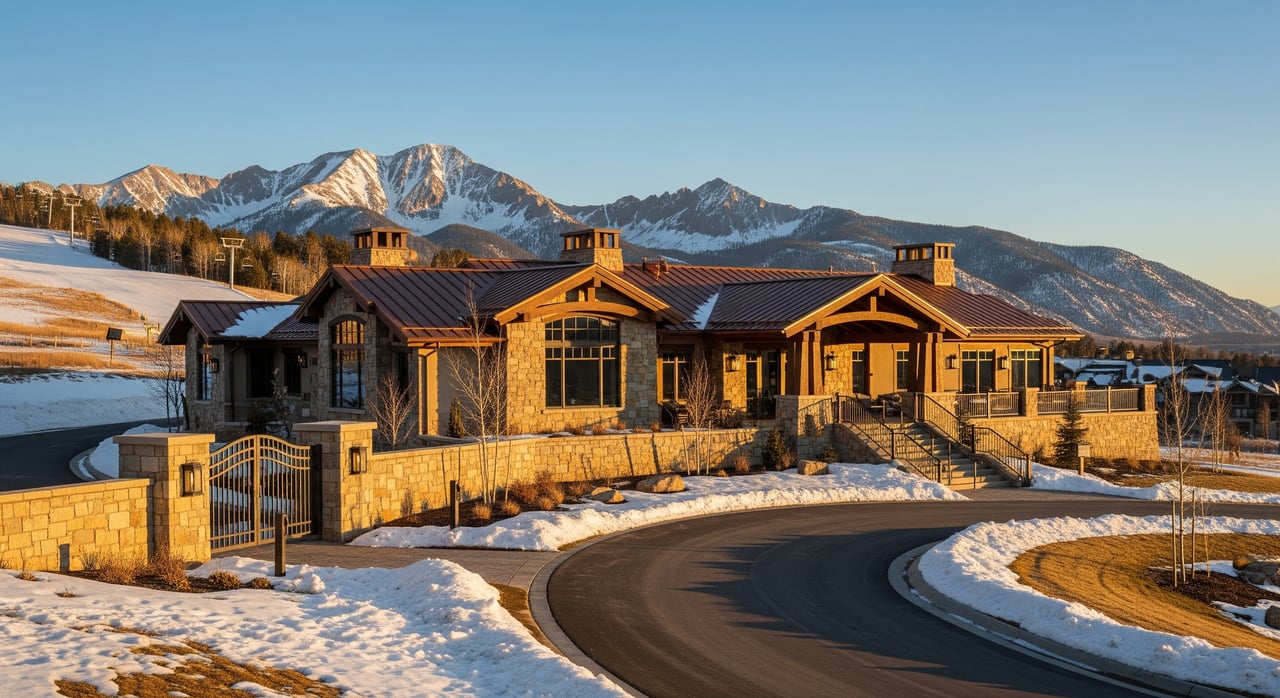
Thinking about a home at The Powder Horn and wondering exactly what your HOA dues pay for? You are not alone. In a master-planned golf community, those dues do a lot of behind-the-scenes work that protect your time, your property, and the neighborhood’s appeal. In this guide, you will learn what HOA dues at a Powder Horn–style community typically cover, where to verify the details, and how to spot signs of a healthy association before you buy. Let’s dive in.
Why coverage varies at Powder Horn
The Powder Horn is a planned residential and recreation community near Sheridan. Communities like this rely on an HOA or POA to maintain shared spaces and operations. The exact services funded by dues can differ based on how the community is structured.
Key factors that influence coverage include whether amenities are owned by the HOA or operated by a separate private club, whether roads are private or accepted by the county, and how water and sewer services are provided. Coverage can also vary by property type, such as single-family homesites versus cottages or paired homes.
What HOA dues typically cover
Below is a practical checklist of line items that HOA or POA dues in a Powder Horn–style community commonly fund. The exact scope will be defined by the governing documents and current budget.
Common-area care and landscaping
You can expect the association to care for shared green spaces and entrances so the neighborhood looks clean and consistent.
- Mowing, irrigation, and planting in parks, medians, and entrances
- Tree care and seasonal color
- Trail and open-space upkeep
- Weed control and noxious-weed abatement suited to Wyoming conditions
Roads, snow, and drainage
If internal roads are private, the HOA usually plans and pays for roadway care and winter services. Drainage is another critical item in Wyoming’s climate.
- Road surface maintenance, pothole repairs, and street sweeping
- Snow plowing for private roads and key common areas
- Stormwater drainage system care for ditches, culverts, and retention features
Amenity operations and staffing
When the HOA owns or subsidizes community amenities, dues often support daily operations. In some golf communities, a private club entity runs the golf and club facilities separately, so check how things are structured.
- Clubhouse common areas, fitness spaces, pool, tennis or pickleball courts
- Utilities and cleaning for amenity buildings
- Lifeguards, gate attendants, and seasonal staffing, as applicable
Utilities and common services
Even when homeowners pay their own in-home utilities, the HOA typically covers shared services tied to neighborhood spaces.
- Electricity for street and path lighting
- Water for common-area landscaping and irrigation systems
- Trash and recycling at parks or amenity buildings
- Operation and maintenance of any community-owned water or sewer system
Insurance and liability
The association insures common property so you are not personally funding claims tied to shared assets.
- Property and liability insurance for common areas and HOA-owned buildings
- Directors and officers coverage for the board
- Note that owners still need a personal homeowner’s policy for the dwelling and contents
Management and administration
Professional management supports consistent service and transparent reporting.
- Property management fees, accounting, and banking
- Legal counsel and tax preparation
- Annual financial statements or audits
Reserves and capital repairs
Healthy communities set aside funds for big-ticket replacements so owners are not surprised by one-time charges.
- Reserve contributions for future needs such as paving, roofs, irrigation, or mechanical systems
- Periodic reserve studies that estimate long-term costs and set funding targets
Governance and compliance
Dues support the systems that keep community standards clear and fair.
- Printing and distribution of rules, notices, and newsletters
- Board meeting administration and elections
- Covenant enforcement and architectural review
What dues usually do not cover
Every community is different, but these items are commonly outside standard HOA dues.
Private club memberships
In many golf communities, access to the course and certain club facilities is managed by a separate private club. That can mean initiation fees, monthly dues, or other membership costs that are not included in HOA assessments. Confirm whether club access is optional or required for your property type.
Individual homeowner insurance
The HOA insures common areas. You still need a homeowner’s policy that fits your property type and any requirements described in the covenants or insurance declarations.
In-home utilities and services
Electricity, gas, internet, and in-residence trash service are typically owner responsibilities. Some attached-home sub-associations may include certain items, which you can verify in the budget and CC&Rs.
Special assessments
If reserves are underfunded or a major project arises, a special assessment can be levied. This is separate from regular dues and should be disclosed in budgets, board minutes, or owner notices.
How to verify the details
You can confirm exactly what Powder Horn HOA/POA dues cover by requesting the official documents and reviewing current budgets. During due diligence, ask for a complete disclosure packet and take time to read the fine print.
Primary documents to request:
- CC&Rs that define owner and HOA responsibilities
- Bylaws and Articles of Incorporation for governance and voting rights
- Rules and Architectural Guidelines to understand day-to-day standards
- Current annual budget and year-to-date financials for line-item clarity
- Last reserve study and reserve funding policy for capital planning
- Board meeting minutes for the last 12 to 24 months
- Insurance declarations to view common-area coverage
- Management contract if a management company is retained
- Assessment history and an aging report that shows delinquency trends
Local records and contacts:
- Sheridan County Clerk or Recorder for recorded covenants, plats, and easements
- Sheridan County Assessor or GIS to confirm road status and parcel boundaries
- Local water or sewer district, or public works, for utility ownership and billing
- The Powder Horn HOA or POA manager for the full document packet
- Powder Horn private club management if amenities are operated separately
Reading the budget like a pro
A well-run association publishes a clear budget and follows a reserve study. Use these signs and signals to spot strength or risk.
Positive indicators:
- Up-to-date reserve study and reserve account funded to the study’s recommendations
- Consistent line items for maintenance, utilities, and administration
- Low delinquency in assessments and no recent special assessments
- Transparent minutes and regular owner communication
- Clear contracts or separate entities for amenity operations to prevent cost shifting
Red flags:
- Repeated special assessments in recent years
- Low or zero reserve balances compared to study recommendations
- High delinquency or frequent collection actions
- Ongoing or pending litigation noted in minutes or annual reports
- Unclear responsibility for roads, drainage, or water systems
- Confusion between HOA dues and required private club fees for amenity access
What this means for your lifestyle
Your dues should translate into less hassle and steady value. When the HOA covers roads, snow removal, and landscaping, you gain back time and avoid coordinating seasonal contractors. Predictable budgets with healthy reserves help keep costs steady year to year.
Clarity around amenity governance matters too. If a separate club runs the golf and clubhouse, you can expect distinct membership rules and costs. That structure is not a negative. It simply means you will manage two relationships, the HOA for neighborhood services and the club for recreational access.
For financing and resale, lenders and buyers value stable HOAs with realistic budgets and strong reserves. Higher dues are not automatically a drawback if they pay for meaningful services, such as private road care and reliable snow removal in winter.
Buyer checklist for your offer
Add these requests to your purchase contingency so you can verify coverage and financial health before you close.
- Full HOA or POA packet: CC&Rs, bylaws, rules, current budget, last 2 to 3 years of financials, reserve study, insurance declarations, management contract, and 12 to 24 months of board minutes
- Assessment ledger for the specific lot or home to confirm no outstanding balances
- Written disclosure of any planned or potential special assessments
- Confirmation of road ownership and maintenance obligations, including snow removal
- Clarification of water, sewer, and drainage responsibilities
- Amenity governance summary: which facilities are HOA-managed versus private club
- Insurance coverage gaps and any required owner policy types or limits
- Recorded plats, covenants, and easements from the County Clerk or Recorder
- Conversations with neighbors or recent sellers about service quality and enforcement
- If anything is unclear, consult a local real estate attorney or CPA
Next steps
If you are comparing neighborhoods in Sheridan or narrowing in on The Powder Horn, the best next step is to review the governing documents and the latest budget with someone who knows the community. Our on-site team is familiar with the HOA and private club structures and can help you request the right packet, read the line items, and understand how dues translate into your day-to-day lifestyle.
Ready to explore homes and learn how HOA coverage aligns with the property you have in mind? Request a Tour with Powder Horn Realty.
FAQs
What HOA dues typically cover at The Powder Horn
- Dues commonly fund common-area landscaping, private road and snow services, amenity operations where HOA-run, utilities for shared spaces, insurance for common property, management, governance, and reserves. Exact coverage depends on the governing documents and current budget.
Whether golf memberships are included in HOA dues
- In many golf communities, access to golf and certain club facilities is managed by a separate private club with its own fees. Confirm whether club access is optional or required for your specific property.
How to verify if roads are private or public in Powder Horn
- Review the CC&Rs and recorded plats, then confirm with Sheridan County Assessor or GIS and public works. The HOA or POA manager can also clarify snow removal and maintenance obligations.
What to look for in HOA financials before buying
- Seek an up-to-date reserve study, funded reserves, clear maintenance line items, low delinquency, and transparent minutes. Red flags include repeated special assessments, low reserves, and unresolved litigation.
Whether special assessments are common in golf communities
- Special assessments are not inevitable. They are more likely when reserves are underfunded or a major capital need arises. Ask about assessment history and any planned projects before you buy.