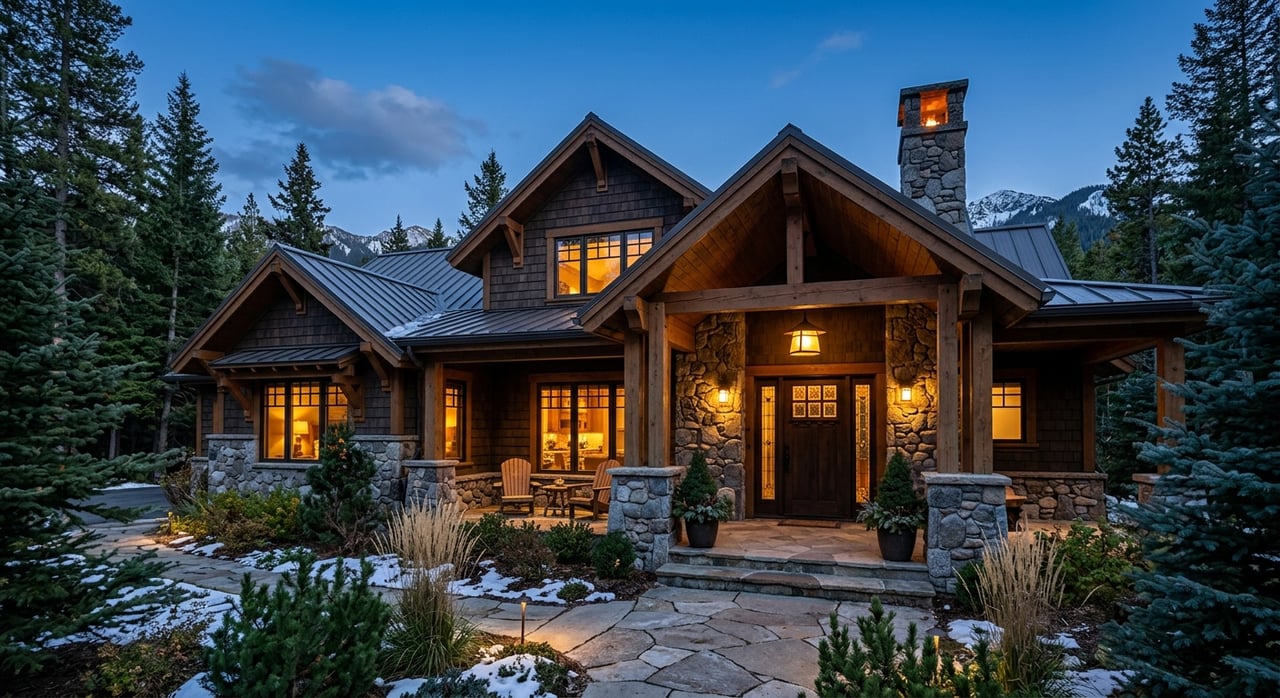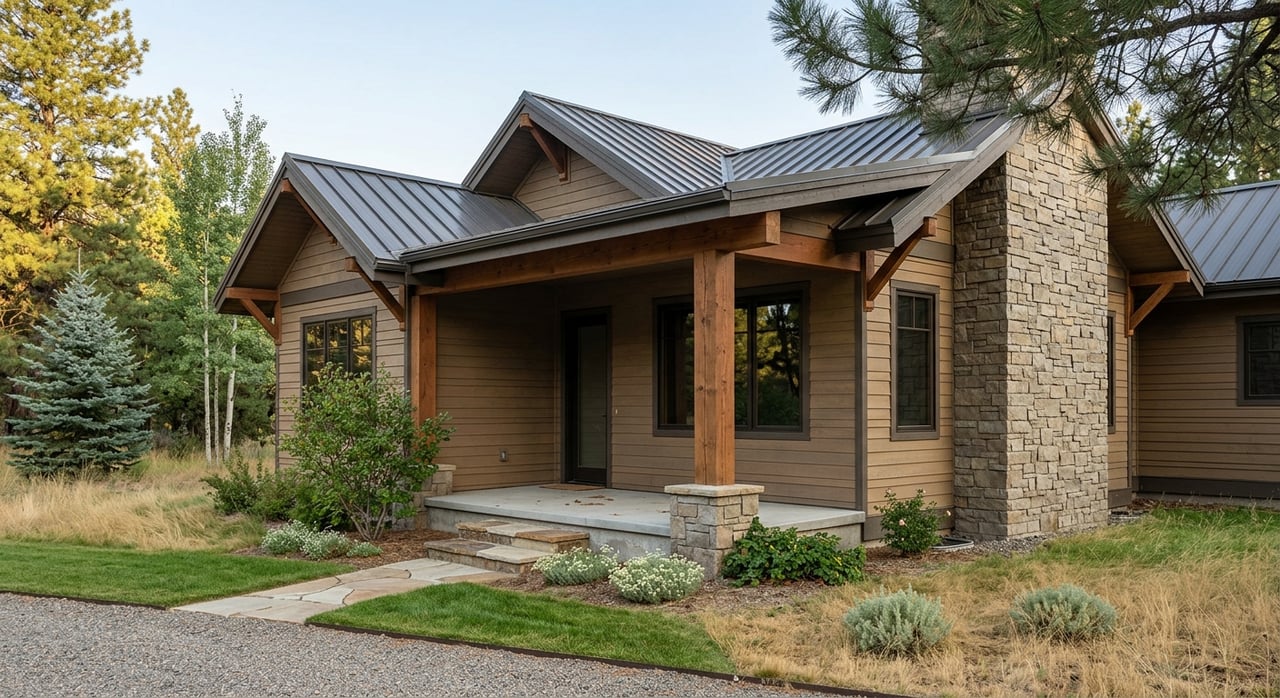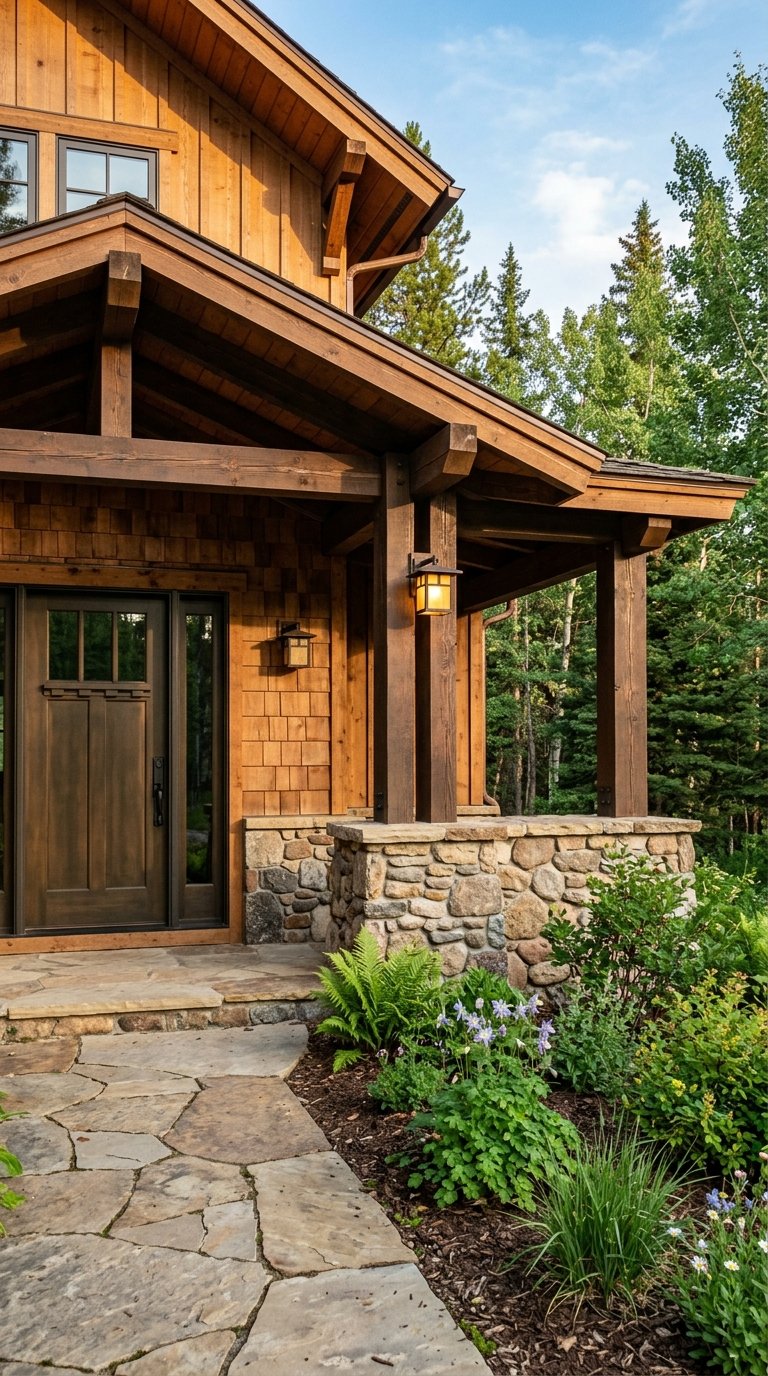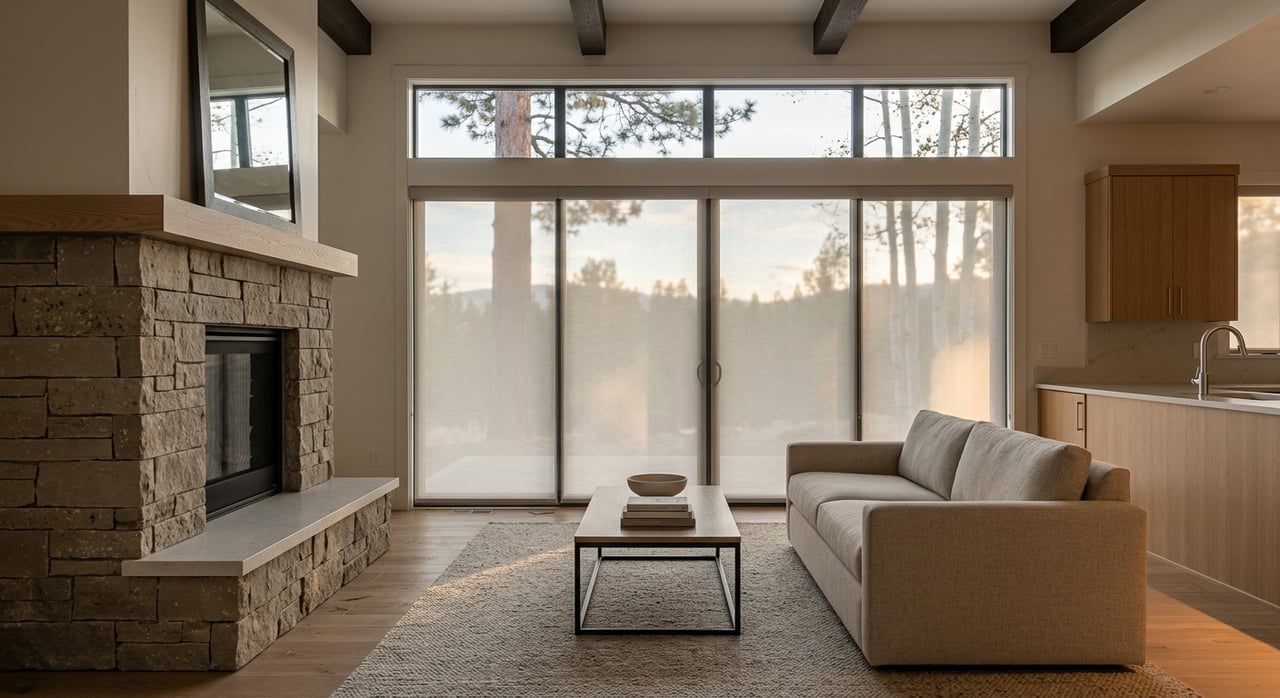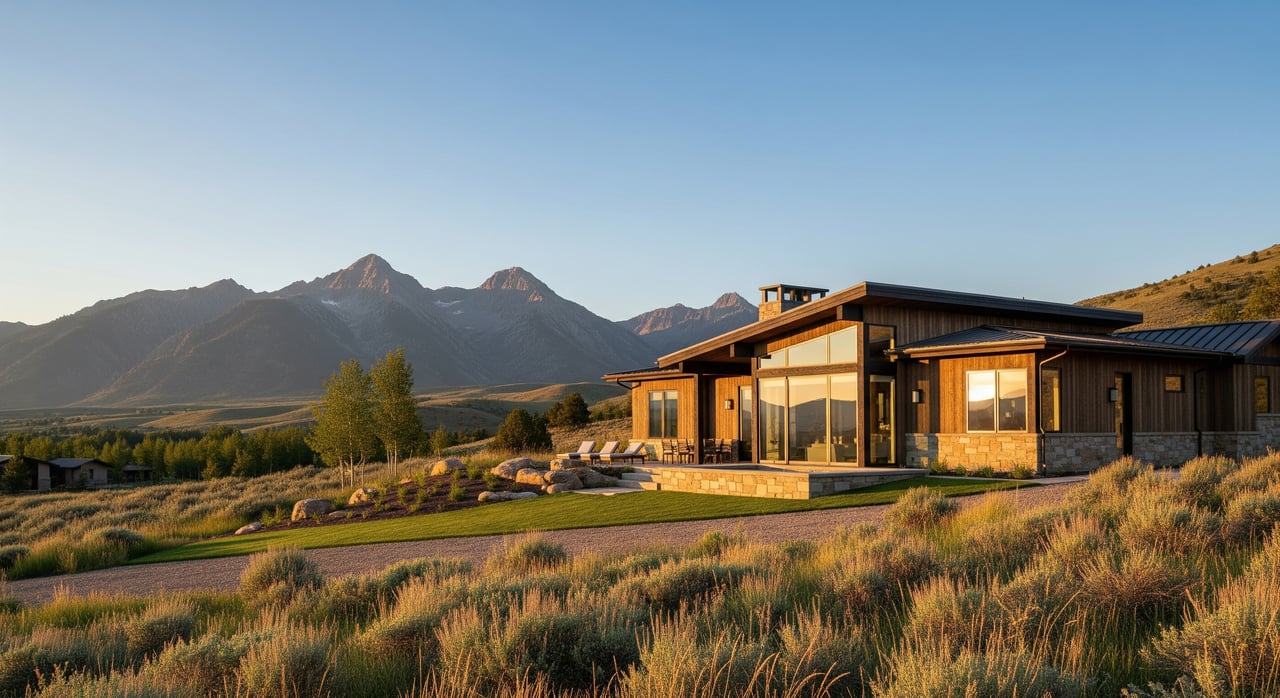
Thinking about a foothills getaway in Big Horn or a fairway-side retreat at The Powder Horn? Financing a second home in Wyoming looks a little different from buying your primary residence, and a few early choices can shape your rate, down payment, and approval timeline. If you’re an out-of-state executive or retiree, a clear plan will help you move confidently from idea to keys in hand.
In this guide, you’ll learn how lenders classify second homes, which loan programs fit Powder Horn and Sheridan County purchases, what down payments and reserves to expect, and how rural appraisals and HOA rules affect your strategy. You’ll also get a practical checklist and lender questions to make your first calls productive. Let’s dive in.
Second home vs. investment property
Getting the occupancy classification right is the first step.
- Second home: You plan to use the property for vacations or seasonal living and keep your primary residence elsewhere. You do not position it as a long-term rental investment.
- Investment property: You buy mainly to generate rental income or appreciation. Underwriting treats these as higher risk with bigger down payments and higher rates.
- Primary residence: Your main home. Government-backed programs generally focus here.
Lenders look at your intent to occupy, whether you plan to rent, and practical factors like distance and accessibility. If you intend any short-term rentals, some lenders may reclassify your purchase as an investment property. Communities with HOA rental limits can also affect how a loan is underwritten, so clarify use and rules up front.
Loan options that fit Wyoming retreats
Here’s how programs typically line up for second-home purchases in the Big Horn and Sheridan area:
- Conventional loans: The most common path for second homes. These follow Fannie Mae and Freddie Mac occupancy rules.
- Jumbo loans: Used when your loan amount exceeds the county’s conforming limit. For 2024, the baseline conforming limit in most counties is 726,200. If you cross that threshold, expect stricter underwriting and larger reserves.
- Portfolio loans: Local banks or credit unions may offer flexible options for rural or unique properties, often with conservative limits on debt ratios and reserves.
- Non-QM or bank-statement loans: Helpful for self-employed buyers or complex income profiles, but they usually come with higher rates and larger down payments.
- FHA, VA, USDA: These are generally aimed at primary residences and are not typical for second homes.
- Cash: Common among out-of-state buyers and retirees, cash removes appraisal and financing risk but is not required.
What lenders weigh most
Second-home underwriting is familiar, but a bit tighter than for primary residences. Expect the following drivers to matter.
Down payment and LTV
- Second homes: Typical minimums range from about 10 to 20 percent down. Many buyers target 15 to 20 percent for better pricing or to avoid mortgage insurance.
- Investment properties: Often 15 to 25 percent down, with 20 percent a common benchmark.
- Jumbo loans: Frequently 10 to 20 percent down, sometimes more depending on credit and reserves.
Rates and pricing
Rates depend on your credit score, loan-to-value, loan size, program type, and the wider interest-rate market. Second-home rates usually fall between primary-residence and investor pricing. Strong credit in the 700s typically helps you secure more competitive terms.
Mortgage insurance
Private mortgage insurance may be available on conventional second homes above 80 percent LTV. Some lenders price this conservatively or set overlays that make higher down payments more attractive.
Debt-to-income and reserves
Many conventional programs allow debt-to-income ratios up to roughly 45 to 50 percent with strong compensating factors, but lenders may set tighter limits for second homes. Plan to document cash reserves. For second homes, 2 to 6 months of PITI is common. Investment and jumbo loans often require 6 to 12 months or more. Out-of-state buyers may encounter higher reserve expectations with some lenders.
Income and documentation
- Salaried: Recent pay stubs, W-2s, and employment verification.
- Self-employed/executives: Two years of personal and business tax returns, profit-and-loss statements, and possibly bank-statement documentation for non-QM products.
- Retirees: Social Security, pension, and retirement account distributions, with an emphasis on stability and likelihood of continuance.
Appraisals in Sheridan County
Rural and resort-adjacent markets can present appraisal challenges. Comparable sales may be limited, seasonal demand can affect pricing, and properties often include unique features like acreage, mountain views, or specialized construction. Appraisers may need to reference sales from across Sheridan County or adjacent areas.
Plan for longer appraisal timelines and full interior and exterior inspections. If comparable sales are sparse, a lender might ask for a larger down payment or a second opinion to strengthen the file. Building a realistic timeline on the front end will keep your purchase on track.
Insurance realities in the foothills
Mountain properties can carry higher premiums due to winter weather, wind, or potential wildfire exposure. Lenders require a full hazard policy that lists the mortgagee, and some may request endorsements such as wind and hail or extended replacement cost. Flood insurance is only required if the property sits in a mapped flood zone. Ask your insurance broker early so you know the coverage and cost before you finalize terms.
HOA and rental rules to confirm
Communities with resort-style amenities often have HOA covenants that govern short-term rentals. If you plan to rent the home, even occasionally, those rules can affect both your financing classification and long-term plans. Confirm whether short-term rentals are allowed, whether minimum stays apply, and how any limits interact with your lender’s occupancy requirements.
At The Powder Horn, understanding HOA processes and community guidelines can help you set realistic expectations for usage and maintenance. Review the covenants with your agent and lender early so there are no surprises.
Jumbo loans in Sheridan County
You’ll enter jumbo territory when your loan amount exceeds the county’s conforming limit. For most counties in 2024, that baseline is 726,200. With jumbos, pricing can be slightly higher than conforming loans, and underwriting typically calls for stronger credit, lower debt-to-income ratios, and larger cash reserves.
Local lenders and credit unions may offer portfolio jumbo products tailored to regional property types, while national lenders can be competitive but sometimes apply stricter overlays for rural or vacation properties. Expect thorough documentation and longer appraisal turn times, especially for homes with acreage or unique features.
Your pre-approval checklist
Get these documents organized before your first lender call:
- Government ID and Social Security number
- Last two years of federal tax returns (include business returns if self-employed)
- Recent pay stubs and W-2s
- Two months of bank statements for all accounts
- Statements for retirement and investment accounts
- A list of current debts and monthly payments
- If applicable: documentation of rental income, property management contracts, or HOA covenants
Smart questions to ask a lender
Use this list to shape a productive first conversation:
- Will this be classified as a second home or an investment property based on my intended use, including any short-term rentals?
- Do you offer conventional second-home programs and jumbo options for Sheridan County? What down payment and reserve ranges do you see most often?
- What credit score range earns your best pricing for my profile?
- For self-employed or retired buyers, which documentation or non-QM options fit best?
- How do you treat any rental income? Are short-term rentals allowed by the loan program and my HOA?
- Do you have appraisal experience in Powder Horn or similar Sheridan County neighborhoods? What timelines are typical?
- What homeowner’s insurance endorsements do you require for properties in the foothills?
- Are gift funds permitted for a second-home down payment?
- What rate lock and closing timelines should I plan for?
Typical timeline to closing
- Prequalification or initial consult: 1 to 3 days
- Full preapproval with document review: 3 to 7 business days
- Contract to close for conventional loans: often 30 to 45 days
- Appraisal in rural or seasonal areas: may add 7 to 14 days or more
Local pros to involve early
- A local mortgage lender or credit union with second-home and jumbo experience
- A Sheridan County real estate agent who knows Powder Horn and Big Horn inventory
- A title company and the county recorder for rural easements or rights
- An insurance broker who understands Wyoming mountain properties
- The HOA manager or community office to confirm rental and occupancy rules
How to match your plan to the property
- If you want a pure retreat: Prioritize second-home classification and keep your intended use aligned with lender and HOA rules. A 15 to 20 percent down payment with solid reserves can open strong options.
- If you may rent occasionally: Disclose that plan to your lender early and review the HOA’s policies. Be prepared that rental intent could move your file to an investment classification.
- If your price point pushes jumbo: Expect more documentation, higher reserves, and potentially tighter debt-to-income limits. Start with a detailed preapproval before you write an offer.
Next steps
A short early conversation with a lender and a quick review of HOA covenants can save you time and help you lock in the right program. If you’re exploring The Powder Horn or Big Horn, our on-site team can coordinate showings, connect you with local lenders, and help you align financing with HOA and appraisal realities. Ready to walk the fairways and tour available homes? Connect with the team at Powder Horn Realty, Inc..
FAQs
Can out-of-state buyers finance a second home in Wyoming?
- Yes. Lenders classify it as a second home if you maintain a primary residence elsewhere. Expect underwriting to focus on occupancy intent, credit, reserves, and program eligibility.
Will my second-home rate be higher than my primary home?
- Possibly. Second-home rates are usually modestly higher than primary-residence rates, while investment loans are priced higher still. Credit, LTV, and loan size also matter.
When do I need a jumbo loan in Sheridan County?
- When your loan amount exceeds the county’s conforming limit. For 2024, the baseline for most counties is 726,200. Jumbos often require stronger credit and more reserves.
Can I offer short-term rentals at a Powder Horn property?
- Check the HOA and local rules. If you plan short-term rentals, some lenders may treat the home as an investment property, which changes down payment, reserves, and rates.
What is the most important first step for a Powder Horn purchase?
- Talk with a lender early to confirm down payment, reserves, and documentation. In parallel, ask your agent to verify HOA and appraisal considerations for your target homes.
How much should I expect to hold in reserves for a second home?
- Reserve requirements vary by lender and program. Many second-home loans call for 2 to 6 months of PITI, while jumbo and investment loans commonly require more.