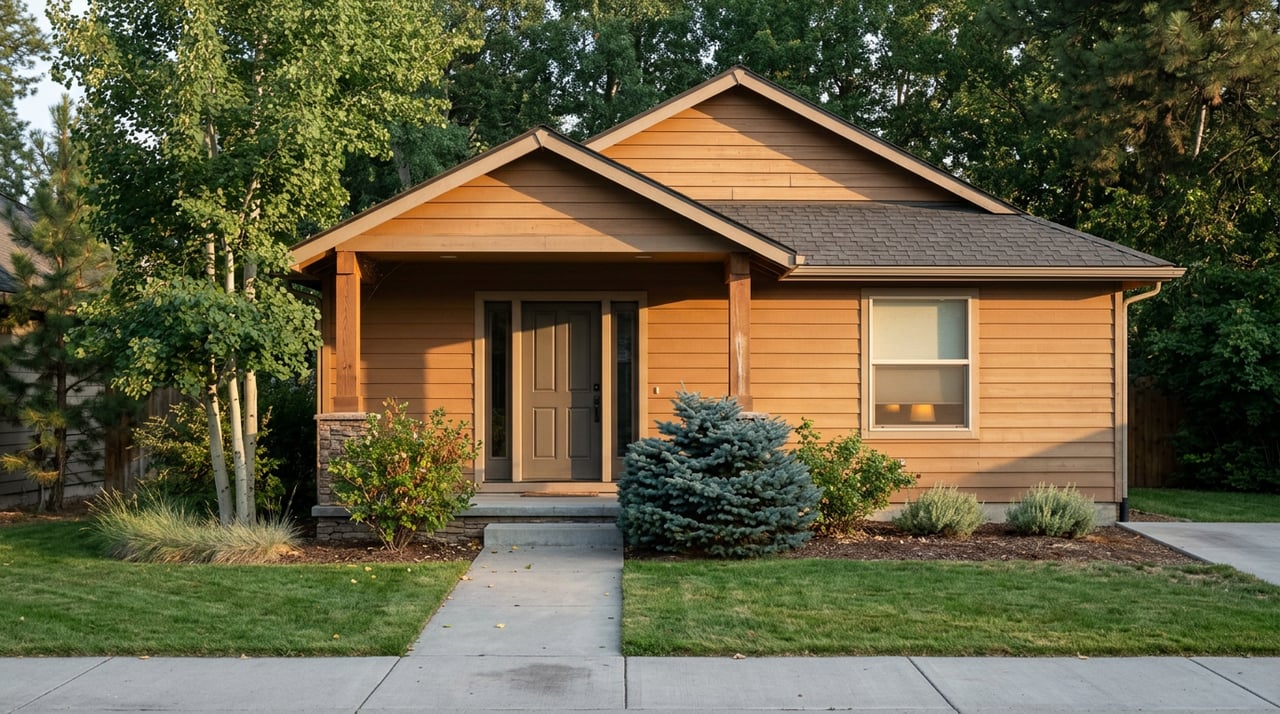
Picture yourself stepping off the course, keys in hand, and heading to your own place at The Powder Horn. If you plan to enjoy the home part of the year or offer it as a rental, the way your lender classifies the property will shape your loan, costs, and paperwork. It can be confusing, especially in a private club community with an on‑site rental program. In this guide, you will learn how lenders define second homes vs investment properties, what that means for your rate and down payment, and how HOA, taxes, and insurance fit in at The Powder Horn. Let’s dive in.
Second home vs investment property
How lenders define each
A second home is a one‑unit property you occupy for part of the year and that is suitable for year‑round use. It is not a timeshare or a managed unit that limits your control. Lenders generally do not let you use projected rental income from a second home to qualify. You can read the official definitions in Fannie Mae’s guidance on occupancy types.
- Reference: Fannie Mae’s occupancy definitions explain second home and investment criteria in detail. See the guide.
An investment property is a home you do not occupy and intend to rent to others. Rental income can help you qualify if you document it the way your lender requires.
FHA and VA programs
FHA and VA loans usually require you to live in the home as your primary residence. They are generally not options for a Powder Horn vacation home or a buy‑to‑rent purchase unless you plan to occupy it as your main home. Learn more about FHA occupancy rules.
What it means at The Powder Horn
The Powder Horn is a private golf‑club community with lodging and a rental program operated on site through Powder Horn Realty. That means both second‑home and investor use cases are common. Your plan for personal use vs rental will determine how a lender classifies the property and what you can borrow. If you plan to mix personal stays with occasional rentals, talk with your lender first about how they will underwrite the occupancy and whether any rental income can be used to qualify. You can explore the community’s rental options through Powder Horn Realty’s on‑site rental program.
Also review HOA and club policies for the specific home you have in mind. Rental restrictions, guest access to amenities, minimum lease terms, and any fees can influence both your loan classification and your cash flow.
Key loan differences at a glance
Down payment and LTV
- Second home: Many conventional programs allow up to about 90 percent loan‑to‑value for eligible purchases, which is roughly 10 percent down. See Freddie Mac’s LTV guidance.
- Investment property: Maximum LTV is typically lower, often in the 75 to 85 percent range, so plan on 15 to 25 percent down.
Cash reserves
- Second home: Automated underwriting often asks for about two months of reserves.
- Investment property: Closer to six months of reserves is common, with more required if you hold multiple financed properties. Review Fannie Mae’s reserve rules.
Interest rates and pricing
- Second home: Expect a small premium compared with a primary residence, commonly up to about 0.25 to 0.50 percent higher in market averages.
- Investment property: Expect a larger premium, often about 0.5 to 0.75 percent or more. Actual pricing depends on credit, down payment, and lender. See an overview of typical rate spreads.
Using rental income to qualify
- You may be able to use rental income on an investment property if you provide the documentation your lender requires, such as leases, tax returns, and the appraiser’s market rent schedule.
- For a second home, lenders usually will not count projected rental income unless strict documentation rules are met. Read Fannie Mae’s rental income documentation rules.
Loan size and 2025 limits
Many Powder Horn buyers fall near or above conforming loan limits. The 2025 baseline conforming limit for a one‑unit home is $806,500 nationwide. Loans above that amount may require jumbo or portfolio programs, which can change down payment, reserves, and pricing. Check current conforming limits.
Insurance, taxes, and HOA factors
- Insurance: Carriers price second homes differently from rentals. A rental often needs a landlord or dwelling policy, and short‑term rentals may require special endorsements. Ask your insurer early if you plan to participate in the Powder Horn rental program. An overview of insurance considerations appears in this discussion of investment‑property policies from Experian. See the guide.
- Taxes: Rental income is reported on Schedule E, and you can depreciate the structure, which affects your after‑tax cash flow. Personal second homes follow different rules, and the primary residence capital gain exclusion generally does not apply to a second home. Review IRS guidance on rental property to understand deductions and depreciation. Read IRS Publication 527.
- HOA and club rules: Rental restrictions, guest access, and fees directly impact both the classification of your loan and your operating plan. Request the HOA covenants and club policies for any home you are considering.
How to choose your path
Start by framing your real‑world use case, then price both options with a lender.
- If you will occupy the home regularly and only host occasional friends and family, a second‑home loan may fit.
- If you plan consistent renting, especially short‑term, an investment loan is usually the cleaner path.
- Ask your lender for side‑by‑side quotes on the same loan amount under both occupancies so you can compare payment, cash to close, and required reserves.
Questions to ask your lender
- Which programs do you offer for second‑home and investment purchases in Sheridan, and which fit The Powder Horn best for me?
- What down payment and maximum LTV will you allow for each option? Freddie Mac’s LTV matrix can provide a general frame.
- What rate premium or price adjustments will apply for my credit score and loan size?
- How many months of reserves will I need for each option? See Fannie Mae’s reserve guidance.
- If I want to use rental income to qualify, what documentation will you need? Review Fannie Mae’s rental income rules.
Questions for the HOA, club, or seller
- Are there limits on short‑term or nightly rentals? What are the minimum lease terms and any related fees or guest rules for amenities?
- Is the property eligible for the on‑site rental program, and who manages bookings and access? Explore Powder Horn Realty’s rental program for current options.
- Are there any planned assessments or dues changes that could affect my carrying costs?
Your next step at The Powder Horn
Choosing between a second‑home loan and an investment loan is about matching financing to how you plan to live and host at The Powder Horn. When you are ready to compare scenarios or review HOA and rental details, our on‑site team is here to help you make a clear, confident decision.
Connect with Powder Horn Realty, Inc. to start a side‑by‑side financing conversation and preview the right homes for your plan.
FAQs
What is a second‑home loan and how does it apply at The Powder Horn?
- A second‑home loan finances a property you occupy part of the year, and lenders do not usually count projected rental income for qualifying per Fannie Mae’s occupancy rules.
How much down payment do I need for an investment property in Sheridan?
- Many lenders cap investment property LTV between about 75 and 85 percent, which means 15 to 25 percent down, as outlined in Freddie Mac’s LTV guidance.
Can I use Powder Horn rental income to qualify for the mortgage?
- Possibly for an investment loan if you provide leases, tax returns, and appraisal rent schedules as required by Fannie Mae’s rental income documentation.
Are FHA or VA loans an option for a Powder Horn vacation home?
- Typically no, since FHA and VA require primary residence occupancy, as noted in this overview of FHA occupancy rules.
Do second‑home and investment mortgage rates differ?
- Yes, second‑home rates usually carry a small premium compared with primary homes, and investment property rates are typically higher still, per this overview of typical rate spreads.
What non‑mortgage costs can affect my decision at The Powder Horn?
- Insurance classification for rentals, HOA and club policies, and tax treatment of rental income and depreciation all influence your total cost, with IRS rules summarized in Publication 527.