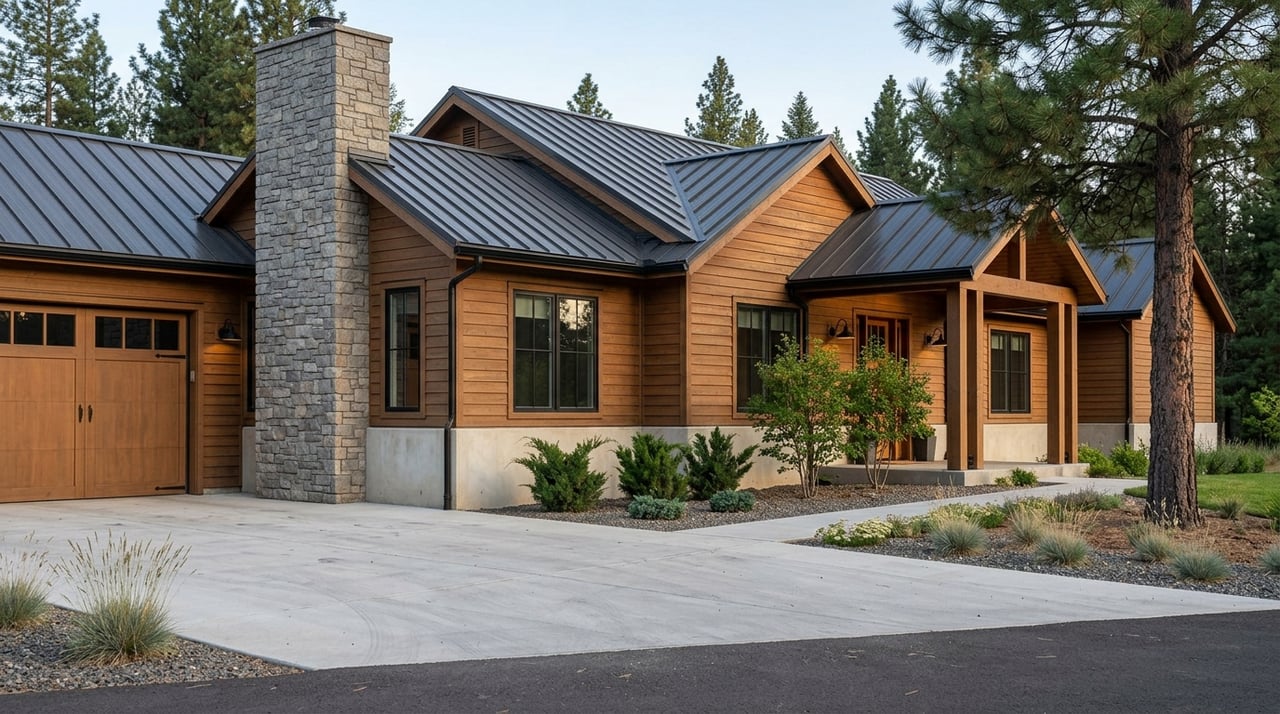
Building a home in Big Horn can be exciting, but the process is not one-size-fits-all. A homesite inside The Powder Horn can offer a very different path than a lot in the traditional Big Horn community area or raw acreage nearby. If you want fewer surprises, it helps to understand permits, utilities, design review, and timing before you buy. Let’s dive in.
Start With the Type of Lot
One of the most important decisions is where your homesite is located. According to the Sheridan County comprehensive plan, Big Horn is a primarily residential unincorporated community with a mix of urban-size lots, large lots, and rural uses.
That matters because the building path can change based on whether you buy inside The Powder Horn, in the Big Horn community area, or on acreage outside a central system. Each option can come with different utility setups, approvals, and timelines.
Why The Powder Horn Can Be Simpler
For many buyers, a homesite in The Powder Horn offers a more streamlined starting point. The community spans more than 900 acres, with homesites ranging from about a quarter-acre to nearly an acre, and newer homesites in The Estates are roughly half an acre.
The community also states that there is no time limit to begin building after purchase. You may use your own architect and contractor or choose from local and regional builders, which gives you flexibility while still buying in a planned setting.
Another practical advantage is utilities. The Powder Horn states that the HOA operates a central sewer system and that homesites have utilities, which can reduce some of the complexity you might face on acreage that still needs septic and well planning.
Raw Acreage Requires More Due Diligence
If you are considering acreage or a parcel outside a central utility system, plan for more early research. Sheridan County’s land use fee schedule shows separate approvals and fees for zoning certificates, parcel division or subdivision work, floodplain permits, septic permits, and access or right-of-way items.
In simple terms, buying land and building a house are not always the same project. You may need to confirm lot status, legal access, utility plans, and site constraints before you can move into the actual home design and permit stage.
Confirm the Lot Is Ready to Build
Before you commit to a property, ask whether the lot is already platted. If it is not, or if boundary changes are needed, Sheridan County treats subdivision and parcel division approvals separately from the building permit process, as shown in the county fee schedule.
This is especially important for buyers looking at larger parcels. Lot creation can become its own project, adding time, cost, and coordination before construction even begins.
Prepare for Detailed Site Planning
Sheridan County’s building and zoning permit packet requires a plot plan that shows lot lines, setbacks, driveways, nearby bodies of water, and other structures. Because of that, having a current survey or another precise site map can be helpful early in the process.
That is not listed as a separate county rule, but it is a practical takeaway from the application requirements. Clear site information can help your builder and design team avoid revisions later.
Understand Design Review and Covenants
If you build in The Powder Horn, you are not just dealing with county permits. The community states that its Design Review Committee and HOA oversee residential development, covenants, and standards.
This added layer can be a benefit if you value a coordinated community setting, but it is still important to understand the review process before you buy. You should ask what is required for architecture, materials, landscaping, and construction procedures, since public pages do not list a fixed turnaround time for design review.
The same HOA page also lists monthly dues of $94 per lot, or $90 by ACH for 2025. Because dues can change, it is smart to confirm the current amount during your purchase process.
Know What Sheridan County Requires
For new construction in county areas, Sheridan County’s permit process is formal and document-heavy. The county requires the owner, or someone with notarized authorization, to provide proof of ownership and submit two sets of plans.
Those plans must include scaled site, foundation, floor, roof, section, and elevation drawings, according to the county’s permit packet. The county may also require plans prepared by a Wyoming-licensed engineer or architect.
Just as important, you cannot occupy the home until final inspection is complete and a certificate of occupancy has been issued. That makes it important to plan your move with some buffer.
Watch for Site-Specific Constraints
Not every lot is equally simple to build on. Sheridan County’s permit materials flag possible issues related to flood plain, airport height and noise, airport aviation easements, and water service.
These are the kinds of factors that can turn a promising parcel into a more complicated project. Before you buy, make sure you understand whether the property triggers any extra review or engineering work.
Utilities Can Shape Your Budget
Utility planning often separates an easy build from a complicated one. In The Powder Horn, central sewer and installed utilities can simplify the path, according to the community’s real estate information.
On land outside a central system, you may need both septic and a private well. That means more consultants, more approvals, and often more time before construction starts.
Septic Requirements in Sheridan County
If your property needs septic, Sheridan County’s septic permit application requires a county-inspected groundwater test pit, percolation testing, and a $250 fee. The county also requires 24-hour notice before backfilling so final inspection can occur.
The packet notes that conventional systems are limited to domestic wastewater flows under 2,000 gallons per day and to certain soil and groundwater conditions. If a site does not meet those standards, a nonconventional system may be needed.
Well Permits Also Take Planning
If you need a well, the Wyoming State Engineer requires a permit before drilling begins. The office says domestic or stock well permits usually take one to two weeks, although more complex permits can take longer.
The same office also requires wells to be drilled by a Wyoming-licensed water-well contractor, with pumps installed by a Wyoming-licensed pump installer. A completion report is due within 30 days after the well is finished.
Build a Realistic Timeline
A lot of buyers focus on construction time and overlook preconstruction time. Sheridan County states that complete building permit applications are typically processed in up to 14 business days, according to its building packet.
That said, permitting is only one part of the schedule. Site review, design review, surveys, utility planning, septic or well work, and builder coordination can stretch the timeline over multiple months before the foundation is even poured.
Sheridan Weather Matters
Weather is a real factor in Sheridan County. NOAA’s local climatological data for Sheridan notes stronger winter winds, drifting snow, heavier precipitation with easterly flow, and especially difficult weather in March and April.
The same climate data referenced in the research also notes a 1.1 kN/m² 50-year ground snow load and 123 average annual freeze-thaw cycles in Sheridan County. For you, that means build schedules should include weather buffers, especially for site work, concrete, and exterior progress.
Questions to Ask Before You Buy
Before you move forward with a homesite or parcel in Big Horn, make sure you can answer these questions:
- Is the parcel already platted, or will subdivision or parcel-division approval be needed?
- Is the homesite inside The Powder Horn, where central sewer and utilities already exist, or on land that needs septic and a private well?
- What design review, HOA, or covenant standards apply?
- Does the lot trigger floodplain, airport, access, or water-service review?
- Can your builder provide permit-ready drawings and help coordinate county review and utility consultants?
These answers can affect your cost, schedule, and overall experience more than the home design itself.
How Local Guidance Helps
When you are building in or near Big Horn, local knowledge can save time and help you ask better questions early. That is especially true if you are comparing a homesite inside The Powder Horn with other options in the wider Big Horn or Sheridan area.
Because Powder Horn Realty, Inc. is the on-site real estate brokerage for The Powder Horn, you can get guidance that is grounded in the community’s homesites, HOA structure, and overall ownership experience. If you are exploring where to build, the team can help you evaluate your options and request a tour.
FAQs
What should you know first before building a home in Big Horn?
- You should first identify the type of property you are buying, since a homesite in The Powder Horn, a lot in the Big Horn community area, and raw acreage nearby can each involve different utilities, approvals, and timelines.
What utilities matter most when building in Big Horn?
- The biggest question is whether the property has access to central sewer and existing utilities or whether you will need septic and a private well, which usually adds more planning and approvals.
What permits are required for new construction in Sheridan County?
- Sheridan County requires a formal building and zoning permit application with proof of ownership, detailed plans, and a site plan, and some properties may also need separate approvals for septic, floodplain, access, or parcel division.
What does The Powder Horn require for new home construction?
- The Powder Horn states that all residential development is reviewed by its Design Review Committee and governed by HOA covenants and standards, so you should review those requirements before finalizing your plans.
How long does it take to get a building permit in Sheridan County?
- Sheridan County says complete building permit applications are typically processed in up to 14 business days, but the full preconstruction timeline can be much longer when design review, utilities, and weather are part of the process.
Why can building on acreage near Big Horn take longer?
- Acreage may require separate lot approvals, septic design, well permitting, access review, and more site investigation, which can add time before construction begins.
How can Powder Horn Realty help with homesites in The Powder Horn?
- As the on-site brokerage for the community, Powder Horn Realty, Inc. can help you explore available homesites, understand the community setting, and take the next step with a tour.