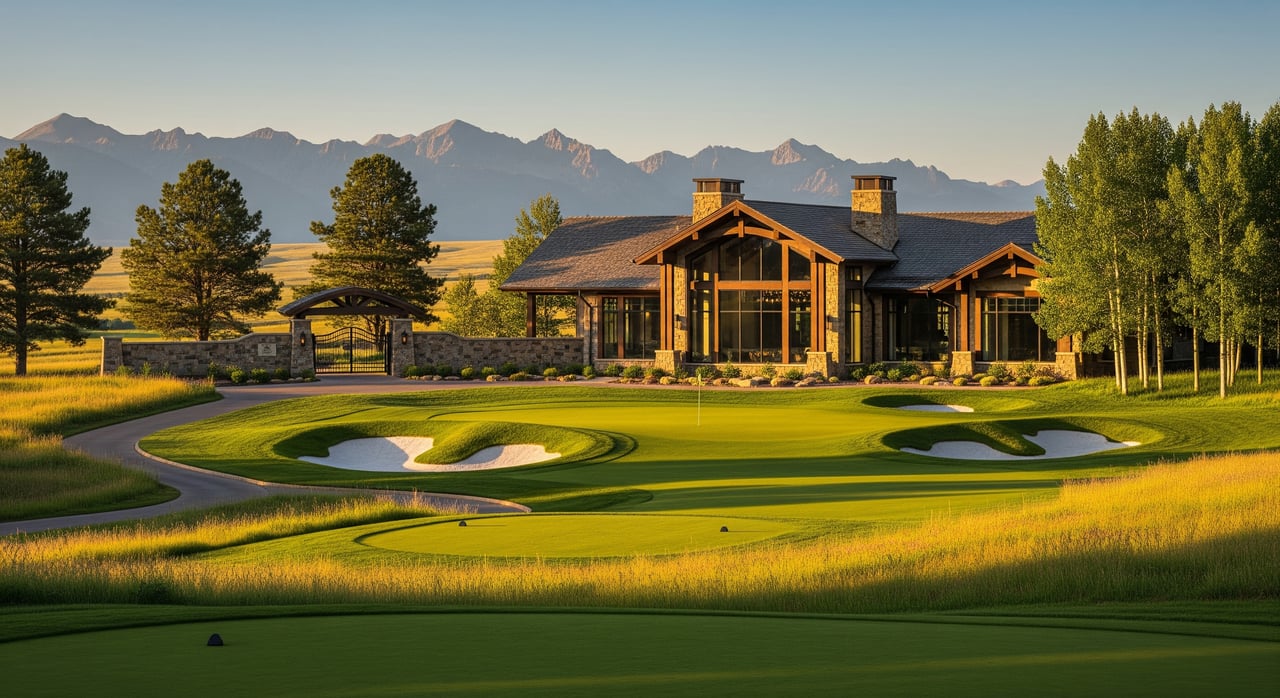
Considering a home in a private golf community can feel exciting and a bit complex. You want low‑maintenance living, beautiful surroundings, and clear expectations about costs and rules. In this guide, you will learn how homeowners associations typically work in a golf setting like Powder Horn, what dues usually cover, how design review affects building and remodeling, and the smart questions to ask before you buy. Let’s dive in.
HOA and club roles at Powder Horn
In many golf communities, the homeowners association and the private golf club are separate organizations. The HOA usually manages neighborhood services and rules, while the club runs golf operations and social programming. That means HOA dues do not always include golf privileges. At Powder Horn, confirm the exact relationship between the owners’ association and the club, and verify whether club membership is optional, mandatory, or resident‑only.
Here is the typical split of responsibilities to expect:
- HOA: community rules and design review, common‑area landscaping, private road maintenance, entry features and gate operations, and some neighborhood services.
- Golf club: golf course and practice facilities, clubhouse, dining, pro shop, events, and recreation programs. Access is usually via separate membership with its own dues and policies.
Before you write an offer, ask in writing about membership options, any initiation or transfer fees, and whether there are equity or resale rules tied to club membership.
What HOA dues usually cover
HOA dues fund the neighborhood’s shared services and spaces. In a private, gated community, you may see dues support the following:
- Common‑area upkeep, entry landscapes, and streetlights on private roads
- Gate staffing or access controls, common‑area insurance, and management fees
- Road maintenance and snow removal on private streets, if applicable
- Community facilities such as a pool, fitness area, trails, or parks when those are HOA‑managed
- Limited exterior maintenance in some neighborhoods, like landscape care around certain home types
What HOA dues typically do not cover:
- Private club operations such as golf course maintenance or clubhouse dining
- Interior home maintenance or your individual homeowners insurance
- Property taxes and mortgage‑related costs
Budget, reserves, and assessments
A well‑run association uses two key financial tools. The annual operating budget pays routine expenses. The reserve fund covers long‑term replacements, such as private roads, common roofs, pools, or major equipment. Strong indicators of financial health include a current reserve study, a clear funding plan, and regular contributions to reserves.
Special assessments can occur to fund unplanned projects or to rebuild reserves. Most communities also charge administrative transfer or estoppel fees at closing, and some require a one‑time capital contribution when you buy. Ask for written confirmation of any such charges.
When evaluating the HOA’s financial health, request:
- Current year budget and prior year actuals
- Most recent financial statements and the reserve study
- Current reserve balance and the funding plan
- Accounts receivable and the owner delinquency rate
- Any current or pending special assessments and recent board meeting minutes
Design review and CC&Rs
Covenants, conditions, and restrictions set community standards that protect property values. Expect guidelines for architecture, materials, colors, roof styles, lot coverage, setbacks, landscaping and irrigation, fences, outdoor lighting, signage, and visible equipment such as solar panels. Use rules can also address rental policies, home‑based businesses, and exterior maintenance standards.
Most golf communities use an Architectural Review Board to oversee new builds and exterior changes. Expect:
- Submittals: site plans, elevations, materials and color samples, grading and drainage, and landscape plans
- Timelines: a defined review period is common, often in the 30 to 60 day range, though it varies by community
- Fees and deposits: application or review fees and a construction deposit to ensure compliance and repair any damage
- Conditions and inspections: approval with conditions, periodic checks during construction, and a final sign‑off
- Variances and appeals: a process to request exceptions and to appeal decisions
Enforcement tools can include fines, stop‑work orders, and requirements to remedy violations, with liens for unpaid amounts when allowed. These rules can affect your design, timeline, and budget, so obtain the ARB guidelines early and ask about typical approval times and common reasons for denial.
Amenities and Big Horn living
In a Wyoming mountain setting, operations and seasonality matter. Ask whether streets are private or public, and who maintains them. If roads are private, the HOA often handles snow removal and road repairs. Clarify driveway snow policies, timing for plows, and how the community prioritizes safety during storms.
Landscaping standards may include irrigation and winterization requirements to protect systems during cold months. Some amenities operate seasonally, so ask about open months and how costs are budgeted. In gated communities, also review guest and vendor access, parking rules, and any procedures for deliveries or service trucks.
If you plan to be a seasonal resident, confirm winter security protocols, on‑call maintenance options, and any services available for periodic home checks. Many buyers also ask about utilities and emergency access in rural areas, so verify providers and response considerations.
Buyer checklist and questions
Before you move forward, gather and review these documents. Make delivery of these items part of your purchase contingency.
- CC&Rs, bylaws, and rules and regulations
- Current budget, prior year financials, and the latest reserve study
- Current reserve balance and funding plan
- Audited or reviewed financial statements, if available
- Board meeting minutes for the past 6 to 12 months
- Estoppel or resale certificate with current dues, assessments, and delinquencies
- Common‑area insurance policies and fidelity bonds
- Management contract and major service agreements
- Any pending or threatened litigation
- ARB guidelines and recent ARB decisions
Key questions to ask the HOA or manager:
- Are golf or club privileges included with HOA dues, or separate? If separate, what are the membership options and fees?
- What is the current assessment, what does it cover, and when was the last increase?
- Is there a current reserve study, and what is the reserve balance and plan?
- Any pending or recent special assessments, and any planned capital projects?
- What is the owner delinquency rate, and how are collections handled?
- Are streets private or public, and who handles snow removal and road maintenance?
- What is the typical ARB review timeline, and what materials are required?
- Are rentals or short‑term rentals permitted, and with what restrictions?
- Any active legal disputes involving the association or the club?
- What are the resale transfer or estoppel fees, and any capital contributions?
Red flags to watch:
- No or outdated reserve study and low reserves
- Frequent, large special assessments in recent years
- High delinquency rates among owners
- Ongoing litigation involving the association or club
- Inconsistent enforcement of CC&Rs
- Unclear separation of HOA and club finances or obligations
- Developer control that has not transitioned to owners
Negotiation tips:
- Make receipt and review of HOA documents a contingency, including an estoppel certificate.
- Consider negotiating seller payment of transfer or estoppel fees, or a credit for known upcoming assessments.
- If concerns arise from the financials, use contingencies to renegotiate or withdraw.
How Powder Horn Realty helps
As the on‑site brokerage at Powder Horn, our team lives the details of the club and HOA every day. We help you confirm what HOA dues cover, how the club membership works, and what to expect from design review before you invest time and money. If you are exploring a homesite for a custom build, we can align your vision with ARB standards and typical approval timelines.
You also get a single‑source experience. From curated listings to on‑site stays in our vacation rentals, and from purchase to ongoing owner services, we help you enjoy the Powder Horn lifestyle with clarity and confidence. Many buyers come for the golf and views and stay for the low‑maintenance living and Wyoming’s well‑known tax advantages.
Ready to evaluate homes, cottages, or homesites with a clear plan? Connect with the on‑site team at Powder Horn Realty, Inc. to Request a Tour.
FAQs
What is the difference between the Powder Horn HOA and the club?
- In many golf communities these are separate entities, with the HOA managing neighborhood operations and the club running golf and social amenities; verify the exact setup at Powder Horn in writing.
Do HOA dues at Powder Horn include golf access?
- Often they do not; confirm whether club membership is optional or mandatory, and ask about initiation or transfer fees and membership types.
How does snow removal typically work in Big Horn private communities?
- If streets are private, the HOA often manages plowing and road upkeep; ask who clears roads and driveways, how storms are prioritized, and typical response times.
What should I review before buying in a golf community HOA?
- Request CC&Rs, bylaws, rules, budgets, financials, reserve study, meeting minutes, insurance, the estoppel certificate, and ARB guidelines and decisions.
How long does architectural approval usually take?
- Many boards use a defined review period in the 30 to 60 day range, but timing varies; ask about the typical timeline, submittal requirements, fees, and deposits.
What fees are common at closing for HOA properties?
- Expect administrative transfer or estoppel fees and sometimes a one‑time capital contribution; request a written fee schedule from the association or manager.